How Proper Base Installation Prevents Shifting Paver Walkways
To prevent shifting paver walkways, local contractors focus on proper base installation, ensuring a stable foundation that keeps your paving surfaces level and durable.
Understanding how proper base installation prevents shifting paver walkways is essential for property owners looking to maintain a durable and attractive outdoor space. When a solid foundation is carefully prepared, it helps distribute weight evenly and provides stability, reducing the risk of uneven settling or movement over time. This is especially important in areas with varying weather conditions or ground movement, where an improperly installed base can lead to costly repairs or the need for frequent adjustments. Local contractors experienced in paver installation can assess the specific needs of a property and ensure the base is prepared correctly, helping walkways stay level and secure for years to come.
Property owners in the area often explore this topic to protect their investment and avoid the inconvenience of shifting or cracked pavers. Proper base installation is a practical step that can significantly extend the lifespan of a paver walkway, saving money and effort in the long run. Skilled service providers understand the importance of selecting the right materials and techniques to create a stable foundation, tailored to the unique conditions of each property. By working with experienced local contractors, homeowners and business owners can ensure their paver walkways remain safe, functional, and visually appealing, all while minimizing future maintenance needs.
- Paver installation - when homeowners notice shifting or uneven surfaces in walkways, local contractors emphasize proper base preparation to prevent future movement.
- Driveway paving - if a driveway begins to crack or settle unevenly, service providers highlight the importance of a stable base to maintain long-term durability.
- Patio construction - for outdoor patios that experience shifting or sinking, local pros focus on ensuring the base is properly compacted and level before paving.
- Walkway repair - when existing paver walkways show signs of shifting, experienced contractors often recommend re-establishing a solid base to restore stability.
- Landscape pathways - for garden or yard paths that become uneven over time, service providers stress the role of proper base installation in preventing future shifting.
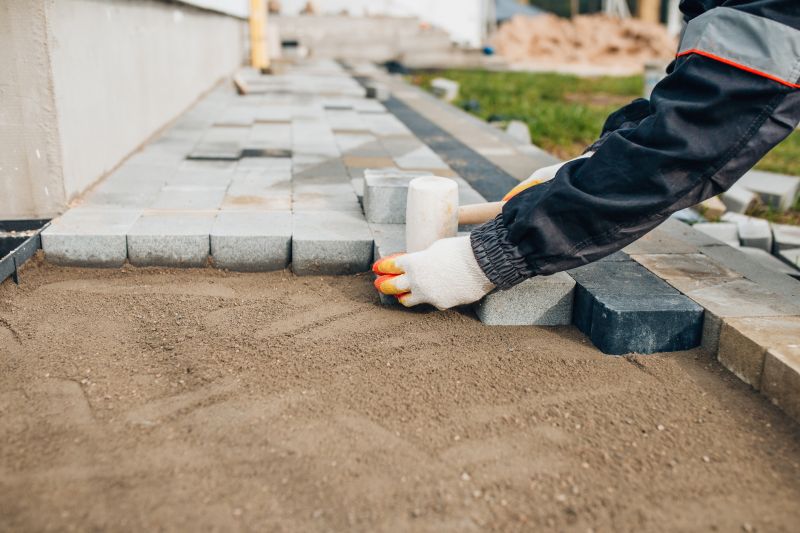
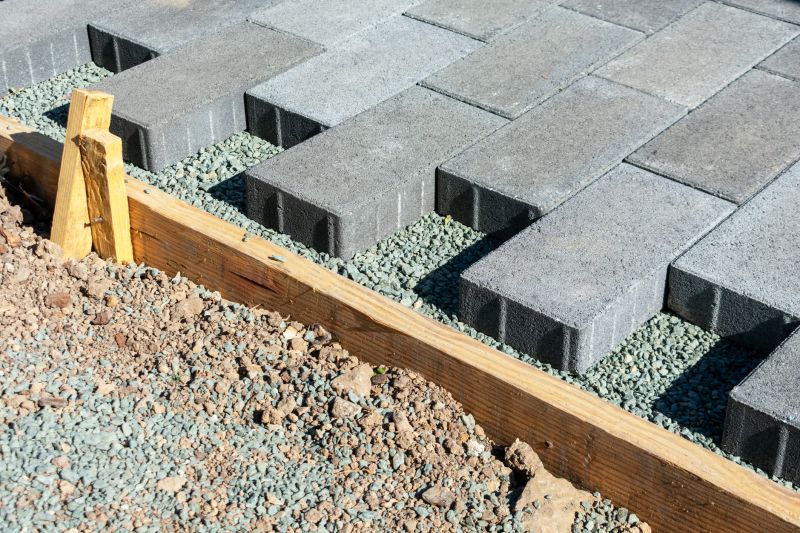
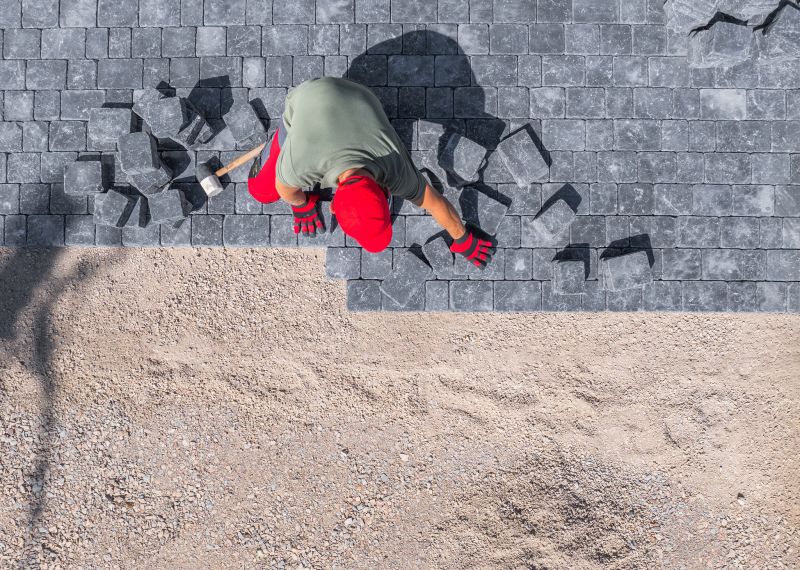
When searching for information about how proper base installation prevents shifting paver walkways, most people are looking to understand why their paved paths sometimes become uneven or develop cracks over time. These concerns often stem from previous experiences with poorly installed walkways or from noticing movement and settling after installation. Homeowners typically want to know how to ensure their paver walkways stay level and stable, especially in areas with frequent foot traffic or changing weather conditions. The focus is on preventing common issues such as uneven surfaces, shifting, or sinking that can compromise both safety and appearance.
The topic relates closely to projects involving new paver walkways or repairs to existing paved surfaces that have become problematic. Many property owners are planning improvements to their front yards, patios, or backyard pathways, aiming for durable and long-lasting results. Problems like shifting pavers often occur on properties with poorly prepared bases, especially in regions prone to freeze-thaw cycles or heavy rainfall. Whether for residential homes, commercial properties, or community spaces, the goal is to create a stable foundation that can withstand environmental stresses and regular use, reducing the need for future repairs.
Properties that typically come up in this context include residential homes with driveways and walkways, small commercial premises, and community parks or pathways. These properties often have different soil types and environmental conditions that influence how well pavers stay in place. For example, clay soils or areas with poor drainage are more susceptible to shifting if the base isn’t properly prepared. Homeowners with landscaped yards or those installing new outdoor features frequently seek advice on how proper base installation can provide a solid foundation, preventing future movement and ensuring the longevity of their paved surfaces.
Local contractors who specialize in paver installation are key resources for property owners looking to prevent shifting walkways through proper base installation. These service providers understand the importance of selecting the right materials, compacting the base thoroughly, and ensuring proper drainage. They can assess the specific conditions of a property and implement techniques that create a stable, durable foundation. Connecting with experienced local pros can help homeowners achieve a long-lasting, stable paver walkway that resists shifting, cracks, and unevenness-ultimately saving time and money on repairs down the line.
Concrete driveway installation - this project requires precise base preparation similar to paver walkways to prevent shifting and ensure long-term stability.
Retaining wall construction - proper footing and base layer installation are essential for preventing movement and maintaining structural integrity, paralleling paver base techniques.
Patio and outdoor living space builds - ensuring a solid foundation is critical for level, durable surfaces that resist shifting over time, much like paver walkways.
Garden pathway installation - selecting and preparing the right base materials helps prevent shifting and maintains the pathway’s shape, similar to paver base installation.
Brick veneer and wall cladding projects - careful base preparation supports stability and prevents shifting, aligning with best practices for paver base installation.
Landscape grading and drainage work - proper base and subgrade preparation are vital for preventing shifting caused by soil movement, relevant to paver walkway stability.
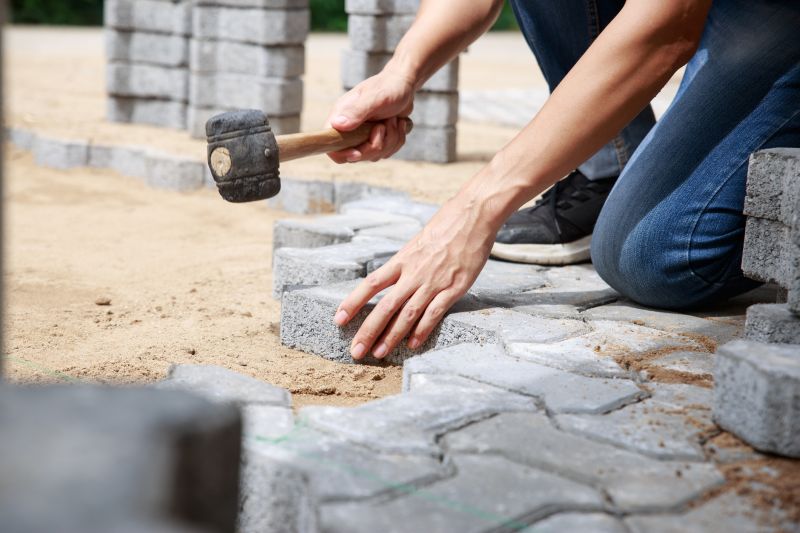
When evaluating service providers for paver installation, it is important to consider their experience with similar projects. Homeowners should seek out local contractors who have a proven track record of installing paver walkways and understanding the intricacies of proper base preparation. An experienced professional will be familiar with the best practices to ensure a stable foundation, which is essential for preventing shifting over time. Asking about previous work or requesting references related to paver projects can provide insight into their expertise and the quality of their workmanship.
Clear written expectations are vital when comparing potential contractors. Homeowners should look for providers who can offer detailed descriptions of their installation process, especially regarding base preparation and subgrade stabilization. This helps ensure that everyone is aligned on what the project entails and what standards are maintained to prevent future shifting. A well-defined scope of work can also serve as a reference point throughout the project, reducing misunderstandings and ensuring the contractor’s approach aligns with best practices for durable, long-lasting paver walkways.
Good communication and reputable references are key indicators of a reliable service provider. Homeowners are encouraged to seek out contractors who are transparent about their methods and willing to answer questions about how they approach base installation and site assessment. Additionally, speaking with past clients or reviewing references can help gauge the contractor’s professionalism and reliability. Effective communication helps ensure that expectations regarding how proper base installation prevents shifting paver walkways are understood and met, ultimately contributing to a successful project that results in a stable, attractive walkway.
Property owners often search for how proper base installation prevents shifting paver walkways when they are planning practical projects around their homes and businesses. Local pros provide Paver Installation services for everyday jobs and straightforward project options.
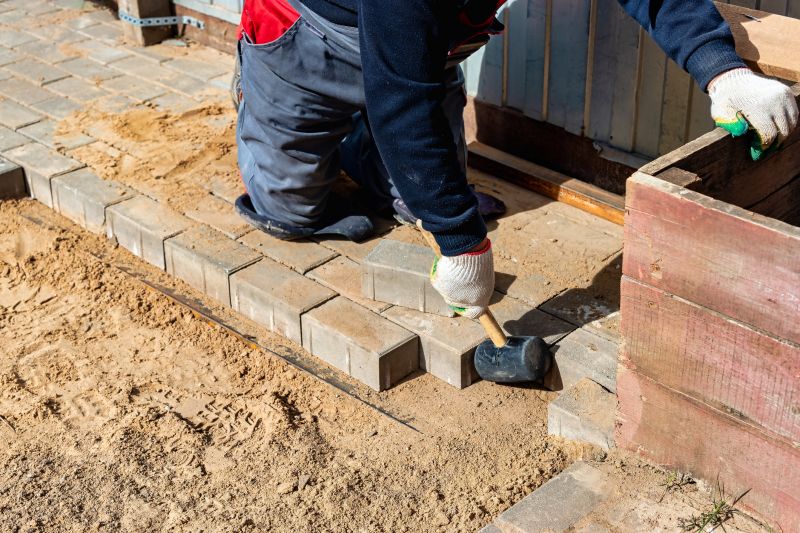
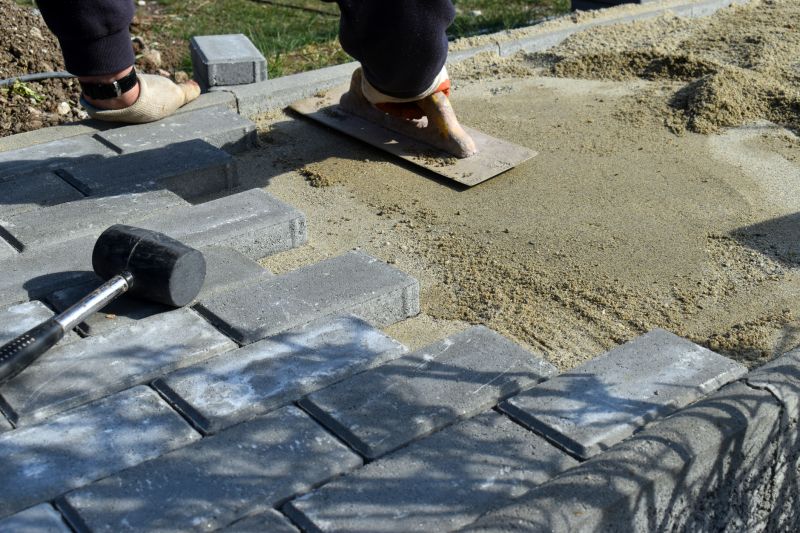
Proper base installation is essential for maintaining the stability and longevity of paver walkways. When property owners in the area consider installing or repairing a paved path, understanding how proper base preparation prevents shifting paver walkways can save time and money in the long run. Local contractors emphasize that a well-compacted, level base prevents uneven settling, which can cause pavers to move or crack over time. This foundational step is especially important in areas with variable weather or soil conditions, where improper base work often leads to shifting or uneven surfaces that require frequent repairs.
Many property owners seek out professional paver installation services to ensure their walkways stay secure and visually appealing. Skilled service providers in the area recognize that a solid base is the key to avoiding future problems and maintaining a smooth, stable surface. By focusing on proper base installation techniques, local contractors help prevent shifting pavers, reducing the need for ongoing maintenance. This approach not only enhances the walkway’s durability but also contributes to a safer, more attractive outdoor space for years to come.
How does proper base installation prevent paver walkways from shifting? Proper base installation provides a stable foundation that evenly distributes weight and reduces movement, preventing pavers from shifting over time.
What role does the base layer play in maintaining the alignment of paver walkways? The base layer supports the pavers and keeps them level, which helps maintain their alignment and prevents uneven shifting or settling.
Why is selecting the right materials important for a proper base in paver installation? Using appropriate materials like crushed stone or gravel ensures proper drainage and compaction, which are essential for a stable, long-lasting base that resists shifting.
How can a professional contractor ensure the base is properly installed for pavers? Local contractors use proper excavation, compaction, and layering techniques to create a solid base that minimizes the risk of shifting in paver walkways.
What are the common signs that a paver walkway has shifted due to an inadequate base? Signs include uneven surfaces, gaps between pavers, or pavers tilting, which often indicate that the base was not properly installed or has settled over time.
Proper base preparation - ensuring a solid, well-compacted base helps prevent shifting and unevenness in paver walkways during installation.
Choosing the right base materials - local contractors can recommend suitable gravel or sand layers that provide stability and drainage.
Consistent base leveling - maintaining even thickness across the entire area reduces the risk of movement over time.
Proper compaction techniques - professional compaction ensures the base remains stable and supports the pavers effectively.
If you are thinking about how proper base installation prevents shifting paver walkways for a property, this guide is meant to help you understand this topic, the typical project types, and how different options might fit your plans.
When you are ready, you can use the quote form on this page to share a few details about your project. From there, local pros can review the basics and follow up with options that match what you have in mind.